Kilimanjaro is one of the only mountains on earth where a person who has never climbed before can reach a genuine expedition summit. No ropes. No technical gear. No mountaineering background required. At some point, you decided you wanted to do something that actually required something of you. Kilimanjaro is that mountain.
The Mountain
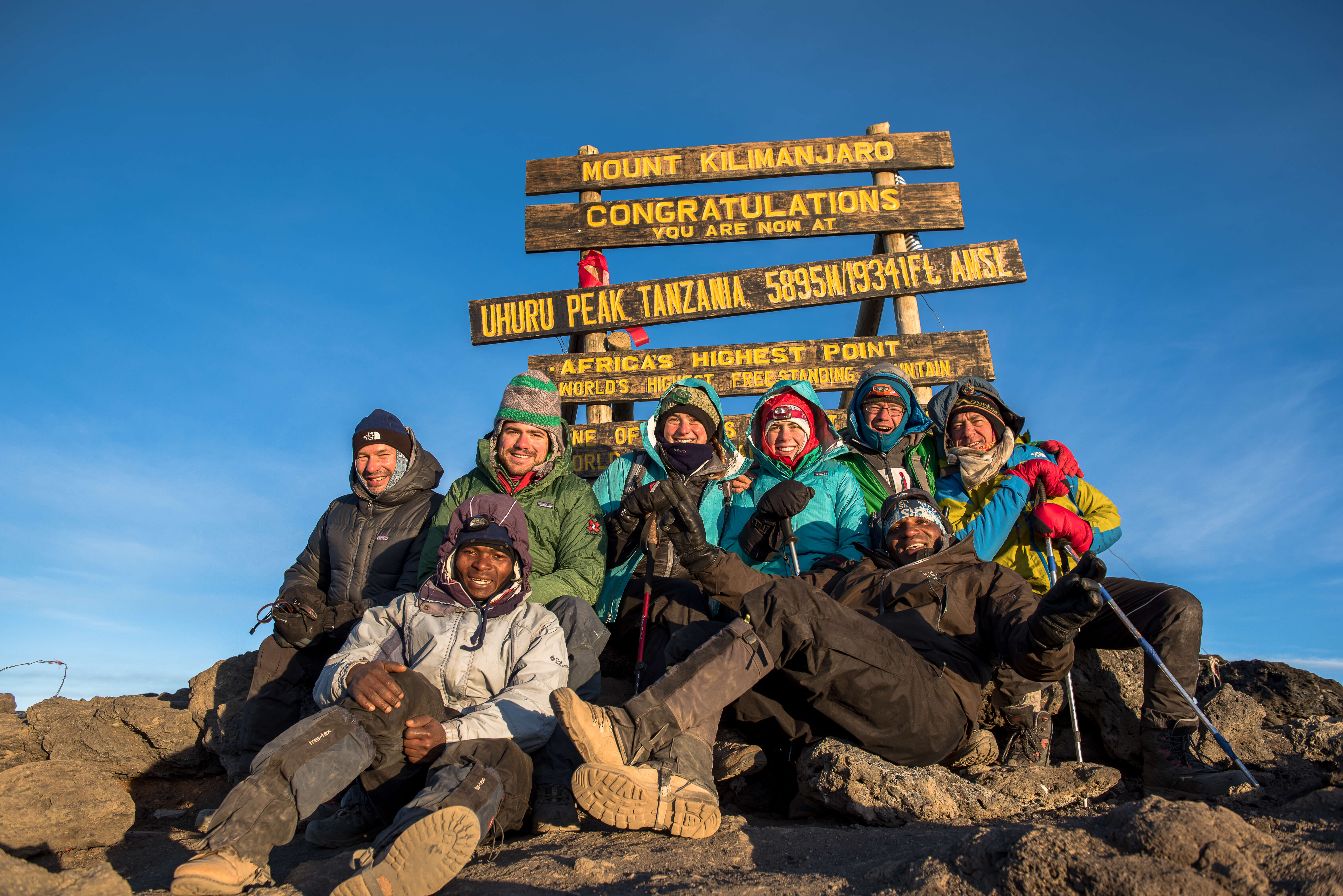
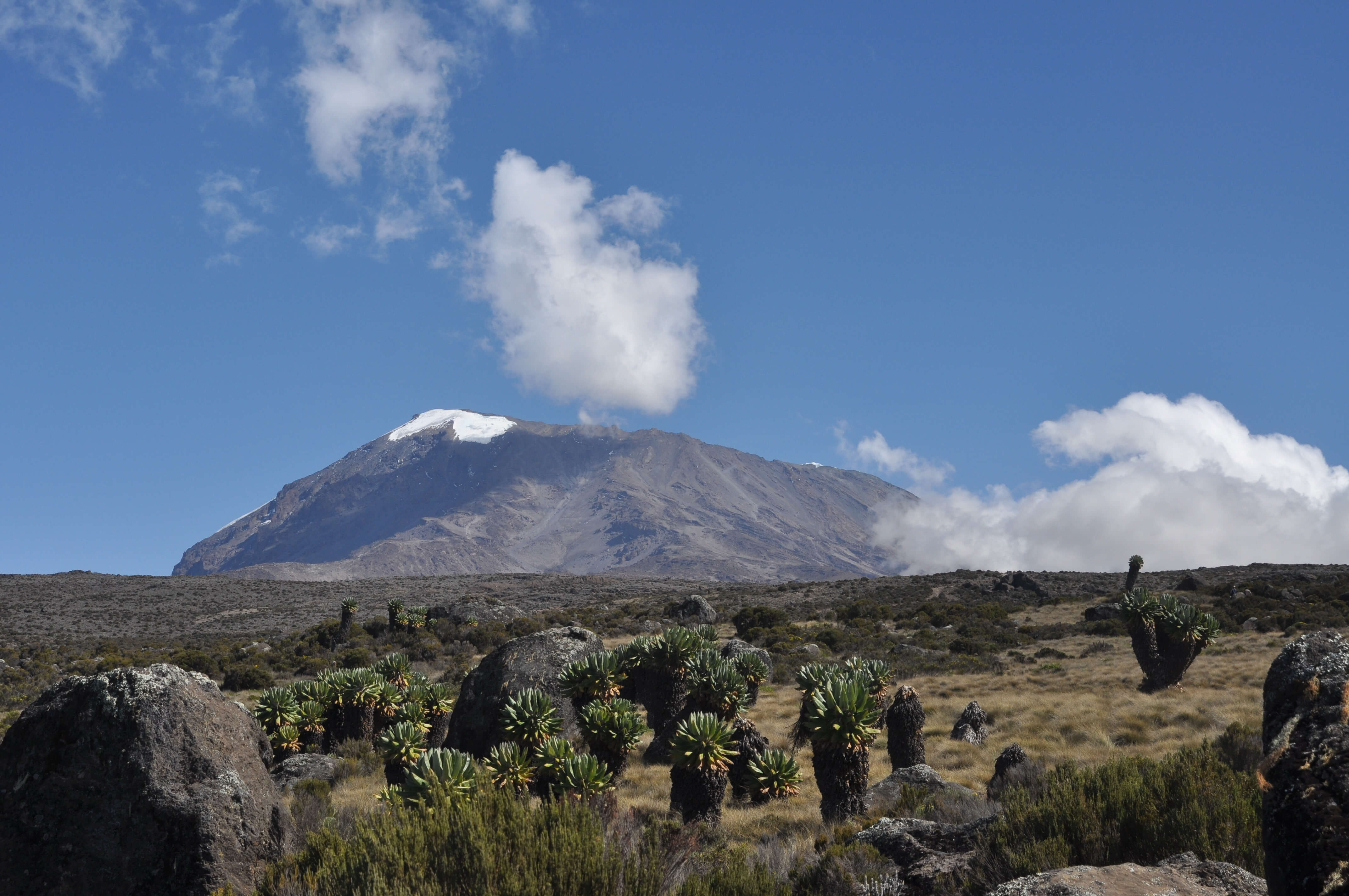
Mount Kilimanjaro rises to 19,341 ft / 5,895 m above the plains of Tanzania. It is the highest mountain in Africa, the highest free-standing mountain in the world, and one of the legendary Seven Summits. At Benegas Brothers Expeditions, we approach it as a managed high-altitude expedition designed to support you through every stage of the process — not just a trek to the top.
The climb crosses five distinct ecological zones — from tropical rainforest to alpine desert — before arriving at its glaciated summit. Each one feels like a different world. The summit is the goal. The climb is the experience. For more on the mountain’s natural history, see Tanzania Parks page.
Why We Climb Rongai
Unlike the crowded southern routes, Rongai offers a quieter, more deliberate ascent. The trail moves through forest, moorland, and alpine desert, gradually exposing the scale of Kilimanjaro while allowing your body to adapt naturally. Fewer crowds, cleaner air, and a steady rhythm define the Rongai approach. Over ten days, you complete a full north-to-south traverse of Africa’s highest peak.
The School Hut Strategy
Most teams stage their summit push from the heavily trafficked Kibo Hut. We don’t. By staging from School Hut (15,585 ft / 4,750 m), we position our team away from traffic — allowing for a calm, focused summit push shaped by internal rhythm rather than external pressure. Breathing, pacing, and focus take priority over speed. Most operators skip this step to simplify logistics. We consider it one of the most important decisions we make for summit day.
The BBE Approach
Built on over 35 years of high-altitude experience on Everest, Aconcagua, and the world’s highest peaks, the BBE guide team operates under a system developed by Damian and Willie Benegas. The objective is not to push harder — it is to move smarter. From the first day on the mountain, our guides are teaching you how to regulate your breathing, manage your effort, and find your rhythm in thin air. Every departure is led by a professional BBE guide, working alongside our senior Tanzanian lead guide.
Why Six Climbers
We cap every departure at six climbers. That single decision changes how the expedition runs — how well your guide knows you, how pace decisions are made, how the summit call happens.
- Personal pacing — adjusted for you individually, not the group average
- Daily monitoring — your guide reads how you are adapting and adjusts in real time
- Stronger team dynamic — six people over ten days becomes a genuine bond
- Better decisions — summit calls made with full knowledge of each climber
- Quieter camps — more organized, more focused, more personal
Is This for You?
This expedition works for a wide range of people. What they share is not a background — it’s a mindset:
- First-time high-altitude climbers who want to do this properly, with a team that takes it seriously
- Experienced hikers and trekkers ready to take on a real altitude objective
- Climbers using Kilimanjaro as a stepping stone toward Aconcagua, Denali, or the Himalaya
- Couples, close friends, or small groups looking for a shared challenge that actually means something
- Anyone who decided to do something extraordinary and wants the right team beside them
You do not need a technical climbing background. You need commitment, preparation, and the right attitude. Every climber we guide is interviewed before booking. See the Is This Trip for Me? section for the full honest picture.
10 Days · Rongai Route · North-to-South Traverse
Total distance: ~78 km / 48.5 miles · Elevation gain/loss: +4,645 m / -4,645 m · Summit: Uhuru Peak, 19,341 ft / 5,895 m
Phase 1: Arrival & Preparation – Day 1-2
Phase 2: The Ascent & Acclimatization – Day 3-7
Phase 3: Summit Day – Day 8
Phase 4: Descent & Return – Days 9-10
An honest answer. Not a sales pitch.
You Don’t Have to Be a Climber
Most of the people who climb Kilimanjaro with us have never done anything like it before. They are fit. They hike on weekends, maybe run a few times a week. They are not professional athletes and they are not mountaineers. They just decided, at some point, that they wanted to do something that actually required something of them.
The mountain is non-technical — no ropes, no technical gear, no prior mountaineering experience required. What it does require is honest preparation, real fitness, and the willingness to face a genuinely hard day at the end of ten good ones.
Fitness Required
Kilimanjaro demands real physical preparation — not elite athleticism, but consistent, intentional training over several months. You should arrive capable of:
- Hiking 6–8 hours per day on uneven terrain with a 20–35 lb pack
- Repeating sustained effort on consecutive days without full recovery
- Moving steadily uphill for extended periods at a slow, controlled pace
- Functioning well in cold, dark, uncomfortable conditions when fatigued
The benchmark that matters most: can you sustain steady uphill movement for 8+ hours when you are already tired from the days before? That is summit night. Train for that specifically.
What Will Feel Hard
The Midnight Start
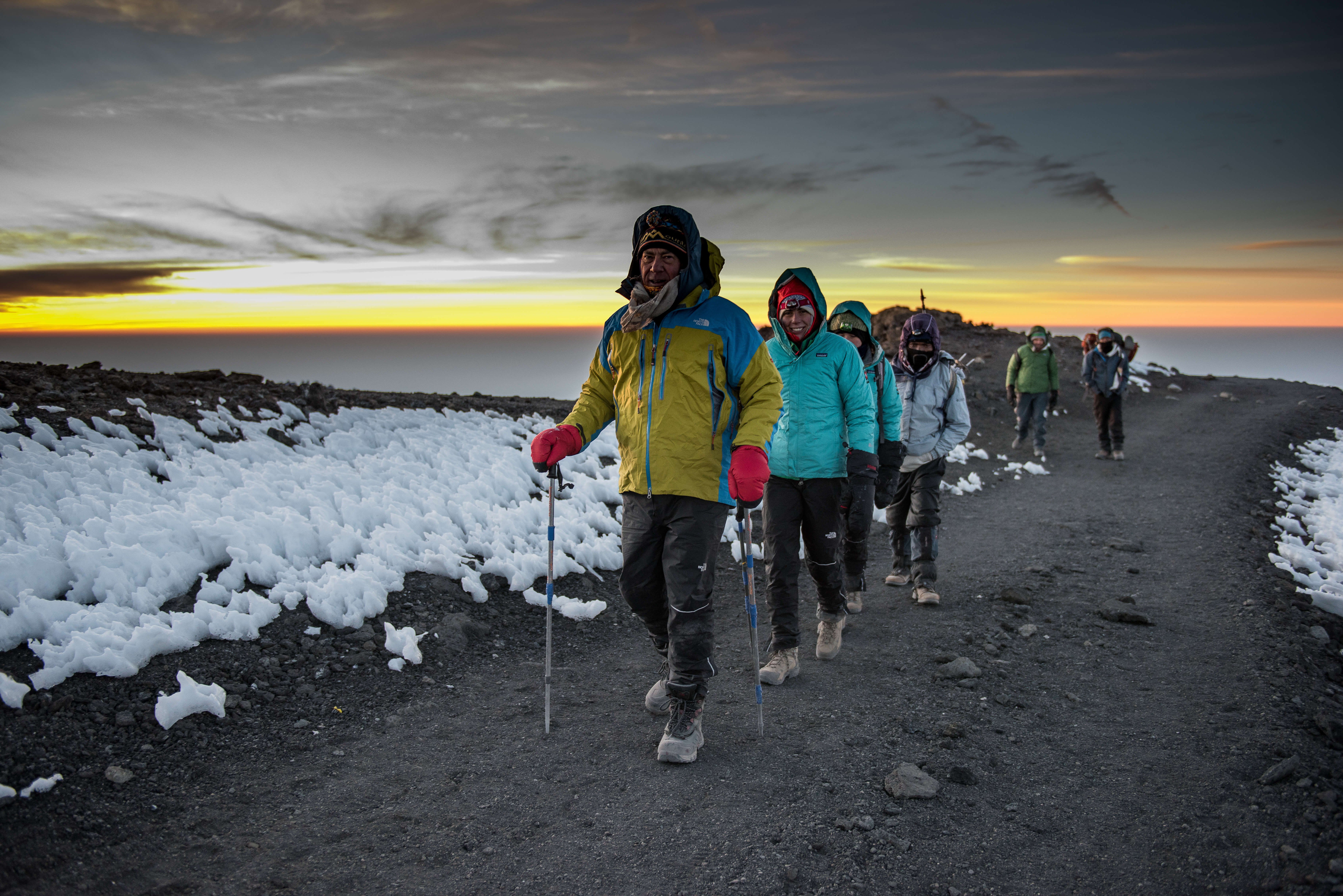
You start around midnight. You have been trying to sleep since early evening — badly, at altitude, in the cold, knowing what is ahead. The alarm goes. You dress in every layer you have. You step outside into darkness and cold that feels different from anything below. Then you walk. Slowly. For hours. Into nothing but headlamp light and the sound of your own breathing.
The Cold
Temperatures between midnight and dawn regularly drop to -15°C to -20°C / 5°F to -4°F or colder on the upper mountain. Wind makes it worse. No matter how well you are dressed, you will feel it.
The Scree
The upper slopes are loose volcanic scree — two steps up, one step slides back. It is exhausting, slow, and demoralizing if you are not prepared for it mentally. Your guides will tell you to expect it. Listen to them.
The Altitude
Between School Hut (15,585 ft / 4,750 m) and Uhuru Peak (19,341 ft / 5,895 m) you climb roughly 3,756 ft in a single push. At that elevation, your body is working with roughly half the oxygen available at sea level. Every step is harder than the last. This is not a fitness problem — it is altitude, and it affects every human body on the mountain.
“We would rather you arrive knowing it will be hard than arrive expecting it to be manageable and be blindsided at 5,000 meters in the dark.”
How to Prepare
Start at least three months before departure. Six months is better. Consistency matters far more than intensity.
- Back-to-back long days with a loaded pack — the single most important preparation; consecutive hiking days simulate what the mountain asks of you
- Night hiking — summit night starts at midnight; the psychological adjustment is real
- Cold exposure — winter hikes and early cold mornings; managing cold while moving is a skill worth practicing
- Uphill endurance, not speed — train at the pace you can sustain for eight hours
- Mental preparation — read what summit night feels like; know your reasons for being there
A full week-by-week training guide is provided to every confirmed climber. A strong external resource is uphillathlete.com.
Real questions from people considering this expedition. Direct answers.
Please read this section in full. Most issues on international expeditions come from incomplete preparation before arrival.
Expedition Cost: $6,615 USD per person
Price Includes
- Professional BBE Western guide and senior Tanzanian lead guide
- Full porter team for all group equipment — tents, kitchen gear, food, and supplies
- Park fees and Kilimanjaro National Park climbing permits
- All meals during the climb — breakfast, lunch, and dinner every day on the mountain
- Private toilet tent at every camp
- Multi-layer water purification system at all camps
- Group camping equipment and gear
- Private airport transfers on scheduled dates
- Hotel accommodations per the itinerary
- Pre-trip support: expedition preparation guidance, equipment consultation, training recommendations
- Summit certificates
Price Does NOT Include
- International flights
- Tanzanian e-visa ($100 USD for U.S. passport holders; ~$50 non-U.S.)
- Travel and rescue insurance (mandatory)
- Personal gear and clothing
- Gear rentals in Moshi if needed
- Tips for guides and crew
- Meals in Moshi not listed in the itinerary
- Personal snacks for the mountain (2–4 lbs recommended)
- Safari or Zanzibar extension costs
- Personal expenses and emergency cash reserve
Full Budget Estimate
- Expedition fee: $6,615
- International flights: $900–$1,800
- Tanzanian e-visa: $100 (U.S.); ~$50 non-U.S.
- Rescue insurance (mandatory): $300–$500 / yr · Global Rescue recommended
- Travel insurance (recommended): $200–$400
- Personal gear & clothing: $500–$1,500
- Gear rentals in Moshi (if needed): $100–$300
- Tips — crew pool: $250–$450 (depends on group size)
- Tips — Western lead guide: $200–$250
- Meals in Moshi (pre/post): $100–$200
- Personal snacks from home: $50–$100
- Incidentals & personal expenses: $100–$200
- Emergency cash reserve: $300–$500
- Tanzania safari extension (optional): $1,800–$3,500
- Zanzibar extension (optional): $800–$2,000
Essentials total (fee + visa + insurance + tips + snacks + meals): ~$8,000–$9,000
Typical total with gear and personal costs: ~$8,500–$10,500
Adding international flights: ~$9,500–$12,500
With Tanzania safari: ~$11,500–$16,000
Small teams. Personal guiding and real mentorship. 37 years of high-altitude expedition experience. Kilimanjaro is worth doing properly — and that starts with booking early enough to prepare well.
2027 Expedition Dates
Maximum 6 climbers per team; departures operate with a minimum of 4 climbers. Spots fill well in advance of departure dates.
January 9 – 18, 2027 · Open · Prime January window
June 26 – July 5, 2027 · Open · Summer / July 4 window
July 10 – 19, 2027 · Open · Prime summer window
December 25, 2027 – January 3, 2028 · Open · New Year Special — summit on January 1; we recommend arriving at JRO on December 24
Price Per Person: $6,615 USD
Deposit & Payment
A 20% deposit ($1,323) secures your spot. Balance due 120 days prior to departure. Payment via wire transfer, ACH, or credit card. Credit card processing fees may apply.
Cancellation Policy
Cancellation terms are provided at booking. Travel insurance covering trip cancellation is strongly recommended.
Private Departures
Private expeditions are available on custom dates, with a BBE guide or personally with Willie or Damian Benegas. Every private expedition is scoped individually based on itinerary, duration, group size, and level of support. Contact us for a private proposal.
Optional Extensions
- Tanzania Safari — 3 to 5 days (Ngorongoro, Tarangire, Serengeti): $1,800–$3,500
- Zanzibar Recovery — 3 to 4 days: $800–$2,000